Daily Plan / Schedule (Preschool – Ages 3–5)
Program Hours: 8:00 AM – 3:00 PM
Philosophy: Play-based, child-centered, developmentally appropriate practice
8:00 – 8:30 AM | Arrival & Greeting
- Children are welcomed individually
- Families and/or teachers share important updates
- Children engage in a sign-in activity by practicing writing and recognizing their names on paper using markers and erasers

8:30 – 9:00 AM | Breakfast / Morning Snack
- Children eat together family-style
- Practice self-help skills (pouring, serving, cleaning up)

9:00 – 9:20 AM | Free Choice Book Time
- Children independently select books of their choice
- Children engage in looking at pictures, retelling stories, or reading with peers
- Children practice identifying letters in their name within books
9:20 – 9:50 AM | Morning Meeting (Circle Time)
- Children participate in a greeting song
- Review of the message board (daily schedule, weather, updates)
- Children engage in simple yoga poses
- Music and movement activities such as dancing
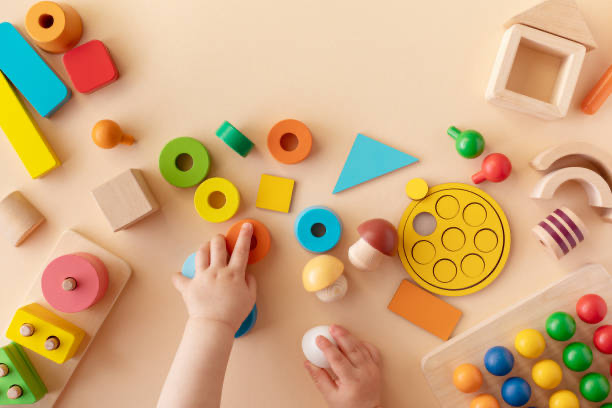
9:50 – 10:45 AM | Free Choice
- Children are invited to share what they would like to do and choose activities based on their interests
- Centers may include:
- Art (painting, color mixing)
- Play dough/clay
- Blocks and building (houses, people, animals, cars)
- Dramatic play
- Sensory table
- Other open-ended materials and activities
10:45 – 11:00 AM | Recall Time
- Children gather to reflect on what they did during free choice time
- Children share which area they worked in and what they created or explored

11:00 – 11:30 AM | Gross Motor Room / Outdoor Play
- Children engage in active play such as running, climbing, ball play, and bike riding
- Children participate in group games or guided movement activities
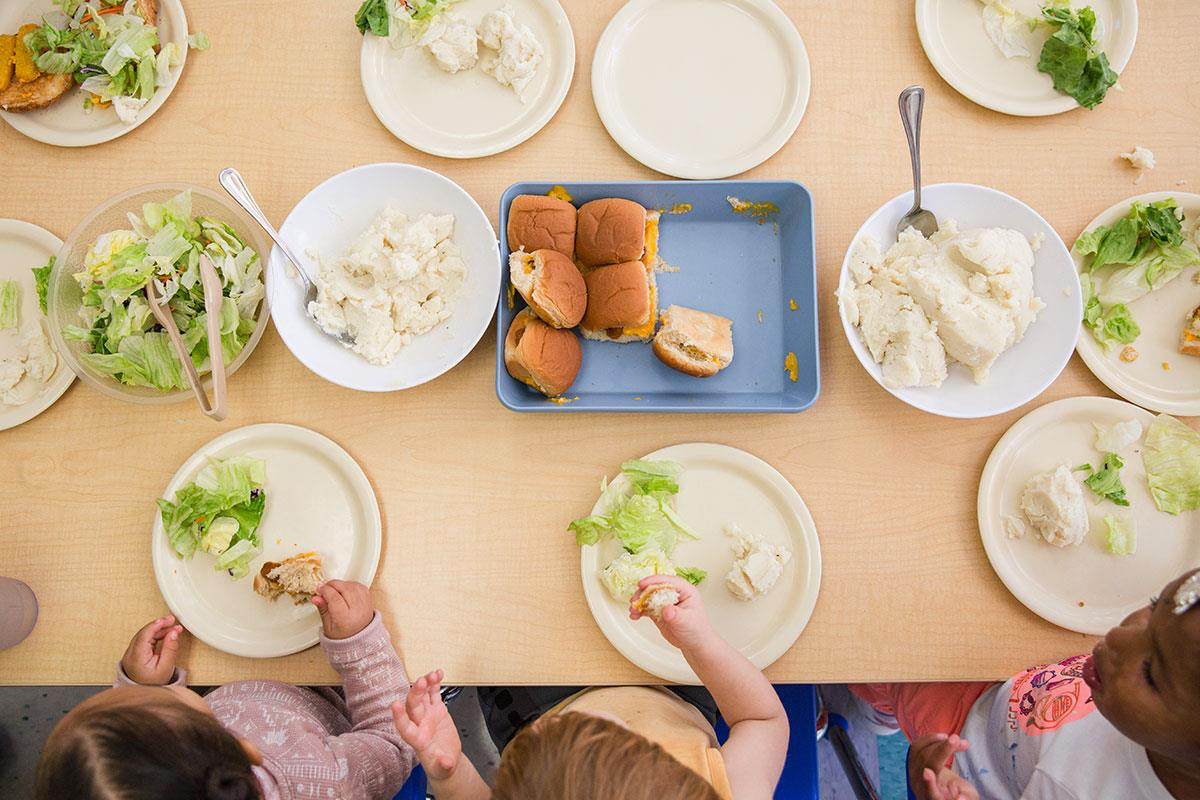
11:30 AM – 12:00 PM | Lunch Time
- Family-style dining
- Encourage conversation and independence

12:00 – 2:00 PM | Rest / Nap Time
- Children rest on cots or mats
- Quiet activities for non-sleepers (books, drawing)
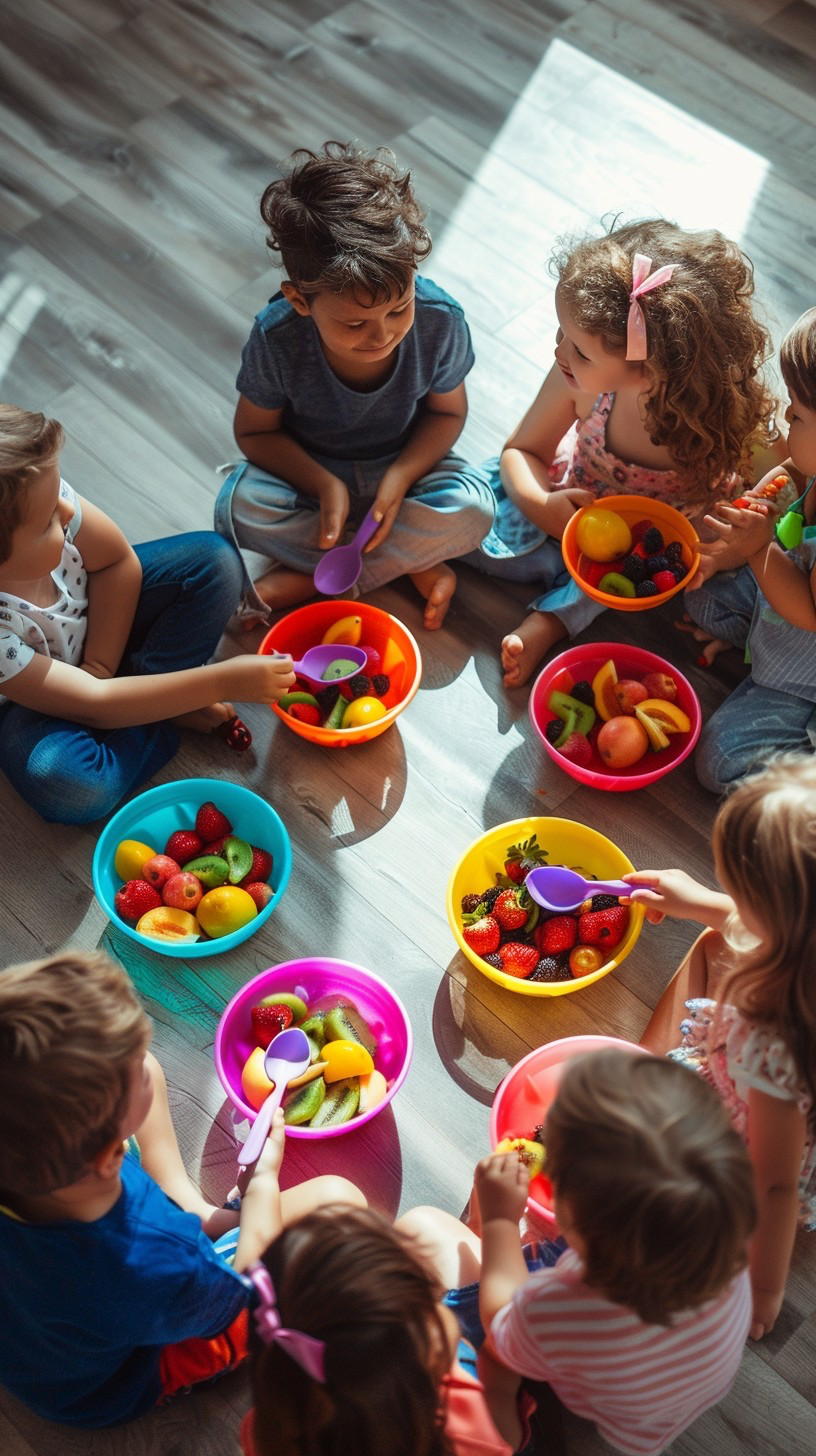
2:00 – 2:30 PM | Wake-Up & Snack
- Light snack
- Gentle transition from rest
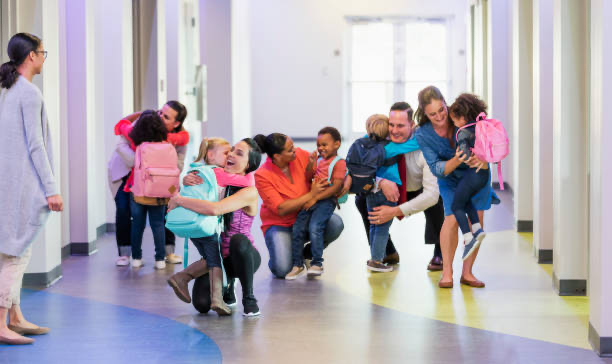
2:30 – 3:00 PM | Open Play & Dismissal
- Children engage in open play with a variety of classroom materials of their choice
- Teacher supervises and supports play
- Children clean up and prepare for dismissal
- Teacher communicates with families at pick-up
Crafting young minds, one lesson at a time
Welcome to my collection of lesson plans, a testament to my dedication and learning in early childhood education. These plans are designed to nurture growth and discovery in infants and toddlers.
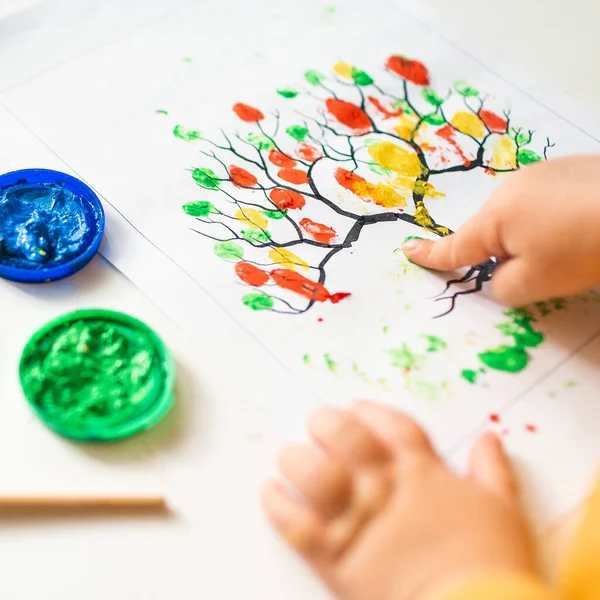
Lessons from my college journey
Here, you will find a collection of lesson plans developed during my ECE-1500 Infant/Toddler Curriculum course. These lesson plans are intentionally designed to support the unique developmental needs of infants and toddlers. Each plan includes a clear structure with beginning, middle, and ending experiences to create a well-rounded and engaging learning process. Through this course, I focused on creating developmentally appropriate, hands-on activities that promote exploration, sensory learning, and responsive interactions. These lesson plans reflect my understanding of how to support early development through nurturing, intentional, and meaningful curriculum experiences tailored to young children.

Tailored for tiny learners
Here, you will find a curated selection of lesson plans that I developed during my Early Childhood Curriculum Content (ECE 1424) college course. These lesson plans are specifically designed for infants and toddlers, reflecting both my academic growth and my hands-on experience in creating engaging, developmentally appropriate activities for young children. Throughout this course, I learned how to design curriculum that supports active learning, encourages exploration, and meets the individual needs of children across different developmental areas.
Lesson Plan Review / Reflection
Throughout the development of my 15 group time lesson plans, I gained a deeper understanding of how to create meaningful, developmentally appropriate learning experiences for young children. Each lesson was intentionally designed to engage children through hands-on activities, active participation, and opportunities for exploration.
One of the key strengths of my lesson plans is their focus on supporting the whole child. I incorporated multiple areas of development, including social-emotional skills, communication and language, physical development, and creative expression. By doing this, I was able to ensure that each activity was not only engaging, but also purposeful in promoting growth across different developmental domains.
I also learned the importance of flexibility and responsiveness when working with children. While planning provides structure, I understand that children learn best when their interests and needs are considered. My lesson plans allow for open-ended exploration and can be adapted to support different learning styles and developmental levels.
Through this process, I strengthened my ability to plan, organize, and implement activities that are both engaging and educational. I also developed a greater appreciation for the role of intentional teaching, including asking open-ended questions, observing children’s interactions, and extending learning through meaningful support.
Overall, this experience has helped me grow as an early childhood educator by improving my confidence in lesson planning and my ability to create developmentally appropriate, engaging curriculum. I will continue to build on these skills as I work toward supporting children’s learning and development in a professional setting.